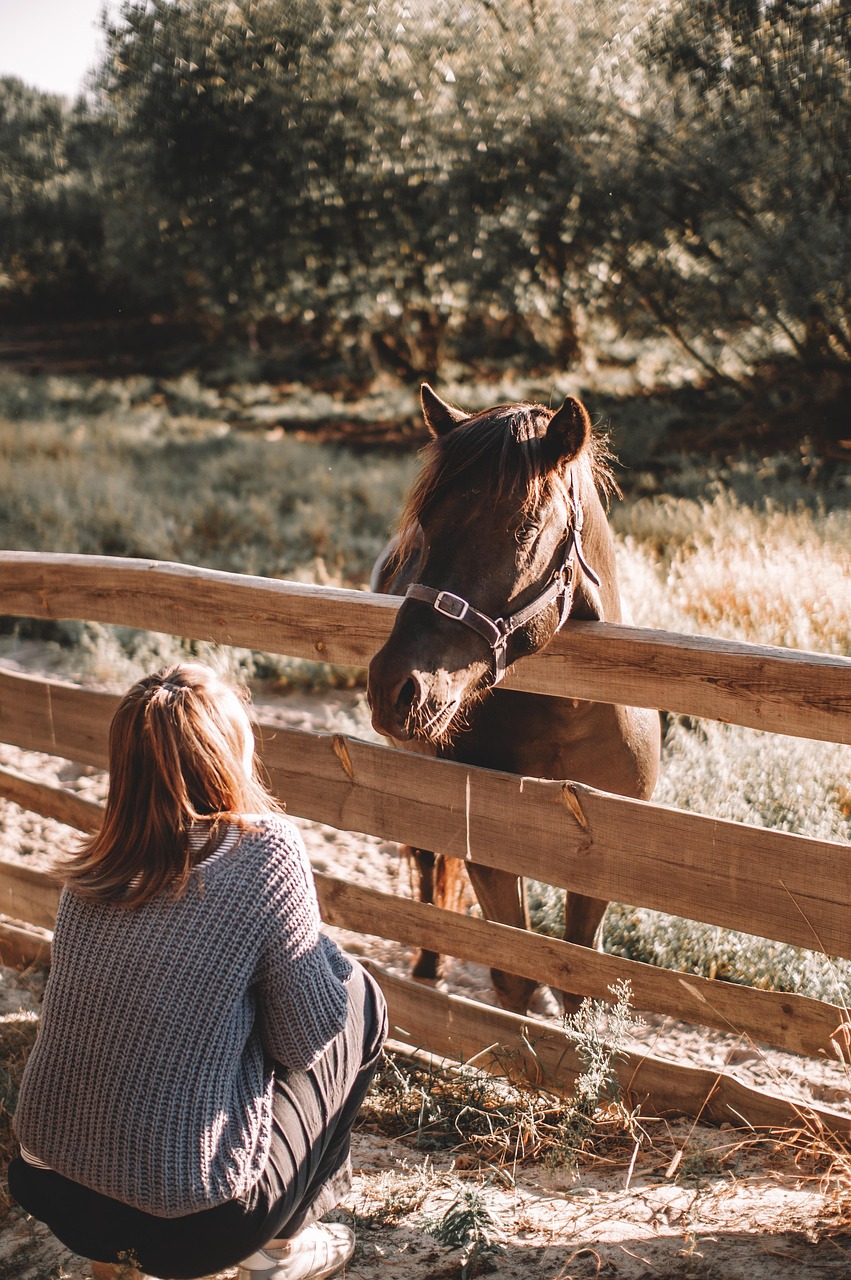
In the sprawling landscapes of Tampa Bay, FL, where farms and ranches dot the horizon, the need for robust and secure horse fence installations is paramount. A well-crafted farm fence not only keeps horses safe but also serves as a visual barrier, defining property lines and deterring unwanted intruders. However, navigating the process of installation can be daunting—from selecting the right materials to ensuring structural integrity. This article guides you through the intricacies of horse fence installation in Tampa Bay, FL, offering expert insights tailored to this unique environment.
Planning and Permits for Farm Fence Tampa Bay FL
When planning a farm fence installation in Tampa Bay, FL, it’s crucial to understand the comprehensive process that goes beyond simply selecting and erecting fencing materials. The region’s diverse landscape and stringent local regulations demand strategic consideration and adherence to permit requirements. For instance, homeowners and farmers alike must familiarize themselves with the specific zoning ordinances and building codes enforced by Tampa Bay’s municipal authorities, which can significantly impact the design and placement of farm fences.
A key step in this process involves obtaining the necessary permits from the appropriate government agencies. In Tampa Bay, FL, these typically include local county or city planning departments and building inspection offices. The permit application process often requires detailed plans outlining the proposed fence’s dimensions, materials, and location relative to property lines and existing structures. It’s essential to provide precise measurements and specifications to avoid delays or denials. For instance, farmers looking to install a secure perimeter fence around their livestock areas may need permits for both the initial construction and any subsequent modifications or expansions.
Before initiating any excavation or construction work, securing these permits ensures compliance with local regulations and can help prevent costly legal issues or project haltings. Moreover, some municipalities offer online platforms or dedicated hotlines for permit applications, making the process more accessible and efficient for residents of Tampa Bay. By carefully navigating these administrative steps, farm owners can ensure their new farm fence installation not only meets safety and security standards but also harmonizes with the region’s unique landscape and regulatory framework.
Choosing the Right Fence Material and Design
When it comes to horse fence installation, particularly in the vibrant farm landscape of Tampa Bay, FL, selecting the right material and design is paramount for both functionality and aesthetics. A robust and well-designed farm fence not only secures your horses but also contributes to their overall well-being by providing a safe, stress-reducing environment. For instance, a study published in Equine Science found that properly maintained fences can significantly reduce horse injuries and behavior issues.
In Tampa Bay’s diverse climate, durability is a key factor. Local weather patterns, including frequent storms and varying temperatures, demand fencing materials that withstand corrosion and decay. Vinyl and treated wood are popular choices for their resilience against the elements. Vinyl, for example, requires minimal maintenance and is resistant to rot, making it an excellent long-term investment for farmers in the area. On the other hand, treated wood offers a classic aesthetic appeal while maintaining its structural integrity over time.
Beyond durability, consider the visual impact on your farm’s landscape. Fences come in various styles, from traditional rail fences to more intricate designs. For instance, a custom-built wooden post and rail fence can enhance the natural beauty of your property while providing clear boundaries for your horses. Alternatively, vinyl fencing offers a seamless, uniform look that requires little upkeep. In choosing, weigh factors like cost, maintenance requirements, and how each material aligns with your farm’s unique character and needs—a decision that could profoundly impact both your horses’ happiness and the overall curb appeal of your Tampa Bay property.
Installation and Maintenance Tips for Optimal Fence Lifespan
The successful installation and ongoing maintenance of a farm fence in Tampa Bay, FL, are key factors in ensuring its longevity and effectiveness. A well-installed fence can withstand the challenges posed by Florida’s weather, from powerful storms to intense sunlight, while maintaining its structural integrity. The process begins with thorough site preparation, ensuring the fence line is accurately marked and any necessary permits are obtained. For farm fences, a robust design that accommodates livestock movement and handles potential impact is essential.
One of the critical steps is selecting the right materials. In Tampa Bay, where the climate demands durability, a strong candidate is a high-quality, galvanized steel fence. This choice not only withstands corrosion but also provides the necessary strength for both structural support and security. Post installation, regular maintenance becomes crucial. This includes inspecting the fence for any signs of damage, such as loose or bent posts, and promptly repairing them to prevent further deterioration. A twice-yearly pressure wash and paint job not only enhances the fence’s aesthetics but also serves as a protective coating, extending its lifespan.
Additionally, maintaining clear visibility along the fence line is vital for both safety and legal compliance. Overgrowth should be regularly trimmed to ensure there’s no obstructions that could deter intruders or livestock. Regular monitoring and proactive care will contribute to the optimal performance and longevity of your farm fence, ensuring it continues to serve your Tampa Bay property effectively for years to come.
References
- FE108/FE108: Handbook of Florida Fence and … – University of Florida — ask.ifas.ufl.edu
- Florida Livestock Fencing Laws and Owner Responsibilities — bridgelegal.org